

Why Your Olympics Data Strategy Needs an Upgrade
Forget the old days of buying a local SIM card at Narita Airport or, worse, relying on expensive roaming packages. The 2026 Tokyo Olympics is not your average trip. This is a high-stakes, high-bandwidth environment. You're going to be streaming events live from your phone, uploading HD videos of medal ceremonies to Instagram, and coordinating meet-ups with friends across sprawling venues using Google Maps.
Standard travel data plans often buckle under this kind of pressure. I've seen it happen at other major events, like the Rugby World Cup in Australia, where friends found their 'unlimited' plans throttling after just a few days of heavy use. Tokyo's infrastructure is top-notch, no doubt, but event-specific congestion is a real thing. An eSIM, properly chosen, gives you the flexibility and reliability you need, without the hassle of swapping physical cards or dealing with Japanese registration procedures for a local SIM, which can be surprisingly complex if you don't have a long-term visa.
Think about it, you're shelling out for tickets, flights, and accommodation in one of the world's most expensive cities. Don't let your connectivity be the weakest link. A solid data plan isn't just about convenience, it's about making sure you actually capture and share those once-in-a-lifetime moments.
Decoding Tokyo's Network Landscape: Docomo vs. SoftBank vs. au
Japan's mobile networks are among the best globally, offering impressive speeds and coverage. The big three are NTT Docomo, SoftBank, and au (KDDI). For the Olympics, you'll primarily be concerned with coverage in and around Tokyo, especially the areas hosting events like the Olympic Village, Ariake Arena, and the New National Stadium.
From my experience living in Tokyo for three months back in 2023, Docomo generally offers the broadest coverage, particularly if you plan any day trips outside the immediate metropolitan area. SoftBank is also incredibly strong in urban centers, and I found their speeds in Shinjuku and Shibuya to be consistently excellent. au is a solid third contender. The good news for eSIM users is that most reliable international eSIM providers will partner with one of these major networks, usually Docomo or SoftBank, sometimes both.
What does this mean for you? It means you shouldn't just grab any eSIM. You need to verify which local carrier it uses. This detail is often buried in the fine print but is crucial. A plan running on Docomo will likely give you the most robust experience across the entire city, even in the inevitable pockets of congestion that big events create. (I learned this the hard way trying to upload a massive video file from a packed train at Shinjuku Station one evening, only to find my budget eSIM was running on a lesser-known MVNO.)
| Carrier | Strengths for Olympics | Band Support (Key Frequencies) |
|---|---|---|
| NTT Docomo | Widest 5G/LTE coverage, excellent for urban & suburban areas, robust during congestion. | B1 (2.1 GHz), B3 (1.8 GHz), B19 (800 MHz), B21 (1.5 GHz), B28 (700 MHz), B42 (3.5 GHz) |
| SoftBank | Very strong in major cities like Tokyo, competitive speeds, good for crowded venues. | B1 (2.1 GHz), B3 (1.8 GHz), B8 (900 MHz), B11 (1.5 GHz), B28 (700 MHz), B41 (2.5 GHz), B42 (3.5 GHz) |
| au (KDDI) | Reliable urban coverage, good speeds, strong presence in some specific venue areas. | B1 (2.1 GHz), B3 (1.8 GHz), B18/26 (800 MHz), B28 (700 MHz), B41 (2.5 GHz), B42 (3.5 GHz) |
Understanding LTE and 5G Availability
Both LTE and 5G are widely available in Tokyo. For the kind of high-bandwidth activities we're talking about, 5G will, of course, offer superior speeds, but LTE in Japan is so good that you'll still have a solid experience. The key is consistent signal, not just peak speed. Check your phone's band compatibility with the Japanese carriers if you want to be absolutely sure you're getting the best performance. Most modern smartphones support the key bands like B1, B3, and B42, which are crucial for optimal performance.
How Much Data Do You Really Need for Olympics-Level Streaming?
This is where many travelers underestimate. You're not just checking emails. You're trying to share the electric atmosphere of the New National Stadium with your family back home, or perhaps catch a replay of a missed event on a streaming service while waiting for the Yamanote line.
Based on my own data consumption habits during extensive travel, especially when attending major events like the Notting Hill Carnival in London, here's a rough breakdown of what typical high-bandwidth activities consume:
- Live Streaming Video (HD): ~3-5 GB per hour. If you're streaming a few events a day or broadcasting your own, this adds up fast.
- Video Uploads (HD/4K): ~1-2 GB for a 5-minute HD clip, significantly more for 4K.
- Social Media (heavy use with video): ~1-2 GB per day, especially if you're watching stories and uploading multiple short clips.
- Video Calls (HD): ~1 GB per hour.
- Navigation & Messaging: Relatively low, but essential. ~100-200 MB per day.
For a typical 10-14 day Olympic trip, if you plan to be a heavy streamer and sharer, you're looking at needing a significant chunk of data. I'd recommend nothing less than 50GB for two weeks. If you're there for longer, or truly plan to be a content machine, aim for 100GB or even an 'unlimited' option (but read the fine print on those, they often have fair usage policies).
Choosing the Right eSIM Plan for Your Olympic Adventure
The market is flooded with eSIM options, and it's easy to get overwhelmed. For the Tokyo Olympics, you need a plan that prioritizes reliability, speed, and generous data allowances. Here's what to look for:
- Carrier Partnership: As discussed, prioritize eSIMs that explicitly state they use NTT Docomo or SoftBank. These are your best bets for consistent performance in crowded urban environments.
- Data Allowance: Don't skimp here. For 10-14 days of heavy streaming/sharing, aim for 50GB minimum. If you can get 100GB, even better. Some providers offer 'unlimited' plans, but always check the fair usage policy. Many will throttle your speed after a certain threshold (e.g., 20GB/day), which might still be plenty but isn't truly unlimited. For a deeper dive into these plans, check out our piece on unlimited eSIMs for remote work, which highlights the nuances of 'uncapped' abroad.
- Validity Period: Ensure the plan covers your entire stay. It's better to have a little extra validity than to run out a day before your flight.
- Top-Up Options: Can you easily add more data if you run out? This is a lifesaver. Look for providers with seamless in-app top-up features.
- Price per GB: Do the math. Sometimes a slightly more expensive upfront plan offers a much better price per GB.
When I was in Tokyo, I found that even with excellent Wi-Fi at the Global Business Hub Tokyo co-working space in Otemachi (which, by the way, is a fantastic spot if you need to get some serious work done, even if it's a bit pricey at ¥3,000 for a day pass), I still relied heavily on my eSIM for mobile work. You won't always be near a reliable Wi-Fi hotspot, especially at event venues.

| Plan Type | Recommended Data | Best For | Considerations |
|---|---|---|---|
| Short-Term (7-10 days) | 30-50 GB | Moderate streaming, daily social sharing, maps. | Might need a top-up if you're truly heavy on video. |
| Medium-Term (14-20 days) | 50-100 GB | Heavy daily streaming, frequent video uploads, video calls. | Ideal for most Olympic visitors who want to maximize connectivity. |
| Long-Term (20+ days) | 100 GB+ or 'Unlimited' | Digital nomads, extended stays, maximum content creation. | Check fair usage policies carefully; true unlimited is rare. |
eSIM Providers for Japan
While I can't name specific brands here, I can tell you what to look for. Seek out providers that have a strong track record specifically in Asia, and ideally, Japan. Look for customer reviews mentioning consistent speeds in cities like Tokyo. Providers that offer multiple package options, from small to large data bundles, are usually more flexible. For a truly seamless setup, you'll want to buy your Japan eSIM before you even land.
Activating Your eSIM in Tokyo: A Step-by-Step Guide
One of the beauties of eSIMs is the ease of activation, often before you even leave home. This means you land in Tokyo ready to go, avoiding the frantic search for Wi-Fi or a SIM card vendor in a jet-lagged haze. (Trust me, I've done it too many times.)
Here's a general procedure for activating your eSIM, based on common practices:
- Purchase Your eSIM Plan: Do this well before your trip. You'll usually receive an email with a QR code or manual activation details.
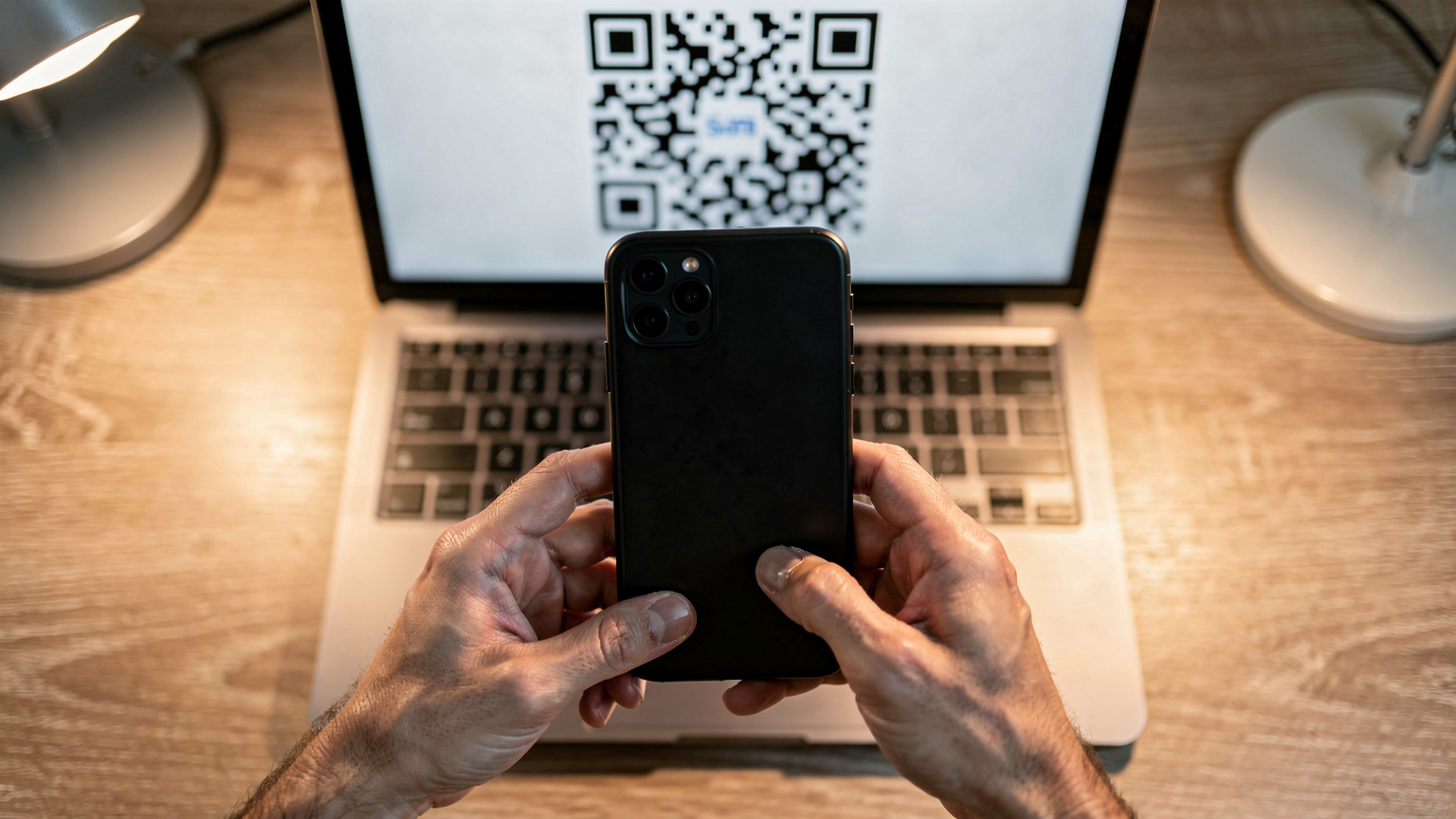
- Install the eSIM Profile (Before You Fly): In your phone's settings, navigate to 'Cellular' or 'Mobile Data,' then 'Add eSIM' or 'Add Data Plan.' Scan the QR code provided by your eSIM provider. Follow the on-screen prompts. At this stage, you're just installing the profile, not activating the data.
- Name Your eSIM (Optional but Recommended): Once installed, give your new eSIM a recognizable label, like 'Tokyo Olympics eSIM.' This helps prevent confusion, especially if you have multiple eSIMs on your device.
- Arrive in Tokyo and Activate: Once you land at Narita (NRT) or Haneda (HND), go back to your 'Cellular' or 'Mobile Data' settings. Turn on your 'Tokyo Olympics eSIM' and ensure 'Data Roaming' is enabled for this specific plan (some eSIMs require this, others don't, but it's a good first check). Set this eSIM as your primary line for 'Cellular Data.' Keep your home SIM active for calls/texts if needed, but ensure it's not set for data to avoid accidental roaming charges.
- Test Your Connection: Open a browser, try loading a website, or send a WhatsApp message. If it works, you're good to go. If not, double-check the settings and potentially restart your phone.
It's always a good idea to have a screenshot of your eSIM QR code saved to your photos, just in case you accidentally delete the email or have trouble accessing it. And speaking of troubleshooting, check out our general eSIM FAQ for more common questions and solutions.
Common Data Pitfalls at Major Events, and How to Avoid Them
Major international events, while exciting, are also ripe for connectivity issues. Here's what to watch out for and how to mitigate the risks:
- Network Congestion: Thousands of people in one place means networks get slammed. Even the best networks can slow down.
Solution: Prioritize eSIMs on primary networks (Docomo/SoftBank) as they have more capacity. Try to schedule large uploads for off-peak hours (early morning, late night). - Battery Drain: Constant searching for signal and heavy data use (especially streaming) will chew through your battery.
Solution: Carry a portable power bank. Limit background app refresh. Use Wi-Fi whenever reliably available, like at cafes or your accommodation. - Running Out of Data: Misjudging your data needs is common.
Solution: Buy a generous plan upfront. Choose an eSIM provider with easy top-up options. Monitor your data usage in your phone settings. - Public Wi-Fi Risks: Free public Wi-Fi can be convenient, but it's often insecure and slow, especially at major event locations.
Solution: Avoid doing sensitive transactions (banking, logging into important accounts) on public Wi-Fi. Use a VPN if you must. Rely on your eSIM for security and speed. - Geoblocking & App Restrictions: Some apps or streaming services might have content restrictions based on your IP address.
Solution: A VPN can help, but be aware that some streaming services are getting better at detecting and blocking VPNs.
During the Edinburgh Fringe Festival, I remember trying to upload a performance video from a crowded café near the Royal Mile. The cafe's Wi-Fi was barely functional, and my budget data plan was throttling. It took hours. Having a robust eSIM would have saved me a lot of grief.
Beyond the Olympics: Staying Connected in Tokyo Long-Term
While this guide focuses on the Olympics, some of you might be planning a longer stay, perhaps as a digital nomad. Tokyo is a fantastic city for long-term stays, but connectivity needs shift.
For a long-term visitor or digital nomad, a purely data-only eSIM might not cut it. You might eventually want a local Japanese number for things like setting up bank accounts, utility services, or even local delivery apps. For instance, when I was in Tokyo, I rented a small apartment in Shimokitazawa for about ¥80,000 (roughly $550 USD) a month, which was a steal. But getting the utilities set up and even ordering from local food apps like Uber Eats (or Demae-can, a local favorite) often required a local number for verification.
"Living in Tokyo for extended periods showed me that while an eSIM is perfect for short trips, a local physical SIM with a Japanese number eventually becomes indispensable for navigating daily life beyond just data. It’s a subtle but significant difference."
If you're considering staying for a month or more, here's how connectivity strategy changes:
- Local SIM with Voice & Data: Consider getting a physical SIM with a Japanese number from Docomo, SoftBank, or au. This provides a local phone number for administrative tasks.
- Home Internet: For serious work, you'll want stable home internet. Most apartments come with it, or you can get a portable Wi-Fi device.
- Co-working Spaces: Shibuya Stream Excel Hotel Tokyu has a co-working space that's reliable, albeit on the pricier side. For more affordable options, look at local spots like "The Terminal" in Harajuku. The average cost for a dedicated desk in a shared office space in central Tokyo can range from ¥30,000 to ¥60,000 per month ($200-$400 USD).
- Cost of Living Anchor: Beyond rent, daily expenses in Tokyo can add up. A typical meal at a casual restaurant, like the food court at Shibuya Scramble Square (my Tuesday lunch spot), averages ¥1,000-¥1,500 ($7-$10 USD). Public transport with a Suica card is efficient and relatively cheap, with a subway ride costing around ¥180-¥250 ($1.20-$1.70 USD).
Apps That Demand Local Data, and How to Manage Them
It's not just about streaming. Certain apps, especially those with real-time features or location services, can be data hogs. Others, particularly in some countries, require a local phone number for full functionality, though this is less common in Japan for tourist-focused apps.
- Google Maps/Apple Maps: Essential for navigation. Pre-download maps for offline use, but real-time traffic and public transport updates require data.
- Translation Apps: Google Translate, DeepL. While some offer offline packs, real-time voice translation needs a connection.
- Social Media (Instagram, TikTok, X/Twitter): These are where you'll be uploading and consuming a lot of video, demanding high bandwidth.
- Messaging Apps (WhatsApp, LINE, Telegram): Japan heavily uses LINE. While text messages are light, video calls and sharing large media files will consume data.
- Event-Specific Apps: The Tokyo Olympics will undoubtedly have official apps for schedules, venue navigation, and results. These will constantly sync data.
Be mindful of apps that might update in the background. Go into your phone's settings and restrict background data usage for non-essential apps to conserve your allowance. While Japan doesn't have the same strict local SIM requirements for banking apps as, say, Brazil (where some banks flat-out refuse foreign numbers for OTPs) or India (for Aadhaar-linked services), having a robust data connection is still vital for secure access to your home banking apps via two-factor authentication.
Data Saving Tips for the Olympics
Even with a big data plan, it's wise to be efficient:
- Download Content Offline: Before heading out, download any movies, TV shows, or podcasts you want to watch/listen to on your commute or during downtime.
- Use Wi-Fi Strategically: When you're at your hotel, a cafe like Starbucks or Tully's (which usually have decent Wi-Fi), or a co-working space, switch to Wi-Fi.
- Disable Auto-Play: Turn off auto-play for videos on social media apps.
- Monitor Usage: Regularly check your data usage in your phone's settings or through your eSIM provider's app.
Troubleshooting Your eSIM When Things Go Sideways
Even with the best planning, sometimes things don't go perfectly. Here are the common issues and my go-to fixes:
- No Connection After Activation:
- Check Data Roaming: Ensure data roaming is enabled for your eSIM profile in your phone settings. Some eSIMs work like a local SIM and don't require this, but it's often the culprit.
- APN Settings: Double-check if your eSIM provider requires specific APN settings. This is rare for modern eSIMs but worth a look.
- Restart Phone: The classic fix. A simple reboot can often resolve minor network hiccups.
- Toggle Airplane Mode: Turn airplane mode on for 30 seconds, then off. This forces your phone to re-establish network connections.
- Slow Speeds or Intermittent Connection:
- Network Congestion: As mentioned, this is common at major events. Move to a less crowded area if possible.
- Check Data Cap: Have you hit your daily or total data cap? Check your eSIM provider's app or website.
- Switch Networks (if available): Some multi-network eSIMs allow you to manually select a different local carrier in your settings.
- eSIM Profile Disappeared:
- This is rare but can happen. If your eSIM profile vanishes, you'll need to reinstall it using the original QR code. This is why saving a screenshot of the QR code is crucial. If you've already used the QR code and it won't work again, contact your eSIM provider's support.
- Can't Make or Receive Calls/Texts:
- Remember, most travel eSIMs are data-only. They don't provide a local phone number for traditional calls or SMS. Use internet-based apps like WhatsApp, LINE, or FaceTime for communication.
If all else fails, reach out to your eSIM provider's customer support. A good provider will have 24/7 support, ideally accessible via chat, so you don't have to rely on making international calls. (My experience trying to get support via phone from a foreign carrier while navigating the complexities of Marrakech's Medina was... memorable, for all the wrong reasons.)
Frequently Asked Questions
Will my existing phone number work with an eSIM at the Tokyo Olympics?
Yes, your existing phone number on your physical SIM will continue to work for calls and texts, provided your home carrier supports international roaming. However, your eSIM will handle all your data needs, allowing you to avoid expensive roaming charges from your primary line. Just ensure your phone is set to use the eSIM for mobile data.
Can I use my eSIM on multiple devices, like a phone and a tablet?
Typically, an eSIM profile is tied to a single device. You install it on one phone, and it cannot be simultaneously active on another. If you need data for a tablet or another device, you would either need a separate eSIM for that device or use your phone's hotspot feature (which will consume data from your phone's eSIM plan).
Is Wi-Fi widely available at Olympic venues in Tokyo?
Public Wi-Fi might be available at some Olympic venues and public spaces. However, these networks are often congested, slow, and less secure, especially with thousands of attendees. Relying solely on public Wi-Fi for live streaming and high-bandwidth activities during the Olympics is not recommended for a seamless experience. An eSIM provides a dedicated and more reliable connection.
What if my phone doesn't support eSIM technology?
If your phone does not support eSIM, you'll need to revert to traditional methods. This usually means purchasing a physical SIM card upon arrival in Japan from a local carrier. Be aware that this can involve more paperwork and potentially longer activation times compared to an eSIM. Always check your device's compatibility before you travel.
Can I make regular phone calls with a data-only eSIM?
Data-only eSIMs do not come with a local Japanese phone number for traditional voice calls or SMS. To make calls, you'll need to use internet-based communication apps like WhatsApp, LINE (very popular in Japan), FaceTime, or Google Meet, which all rely on your eSIM's data connection. Your home SIM can still receive calls and texts if enabled for roaming.
How far in advance should I purchase my eSIM for the Tokyo Olympics?
It's best to purchase and install your eSIM profile a few days to a week before your departure for Tokyo. This gives you ample time to troubleshoot any installation issues from the comfort of your home and ensures you land with immediate connectivity. There's no benefit to waiting until the last minute.